/smstreet/media/agency_attachments/3LWGA69AjH55EG7xRGSA.png)


 Follow Us
/smstreet/media/media_files/2026/03/08/international-womens-day-smestreet-by-zoya-askari-2026-03-08-19-08-08.png)
Indian Professional Women vs Women in Developed Economies: An Economic Imperative for India’s Growth Story
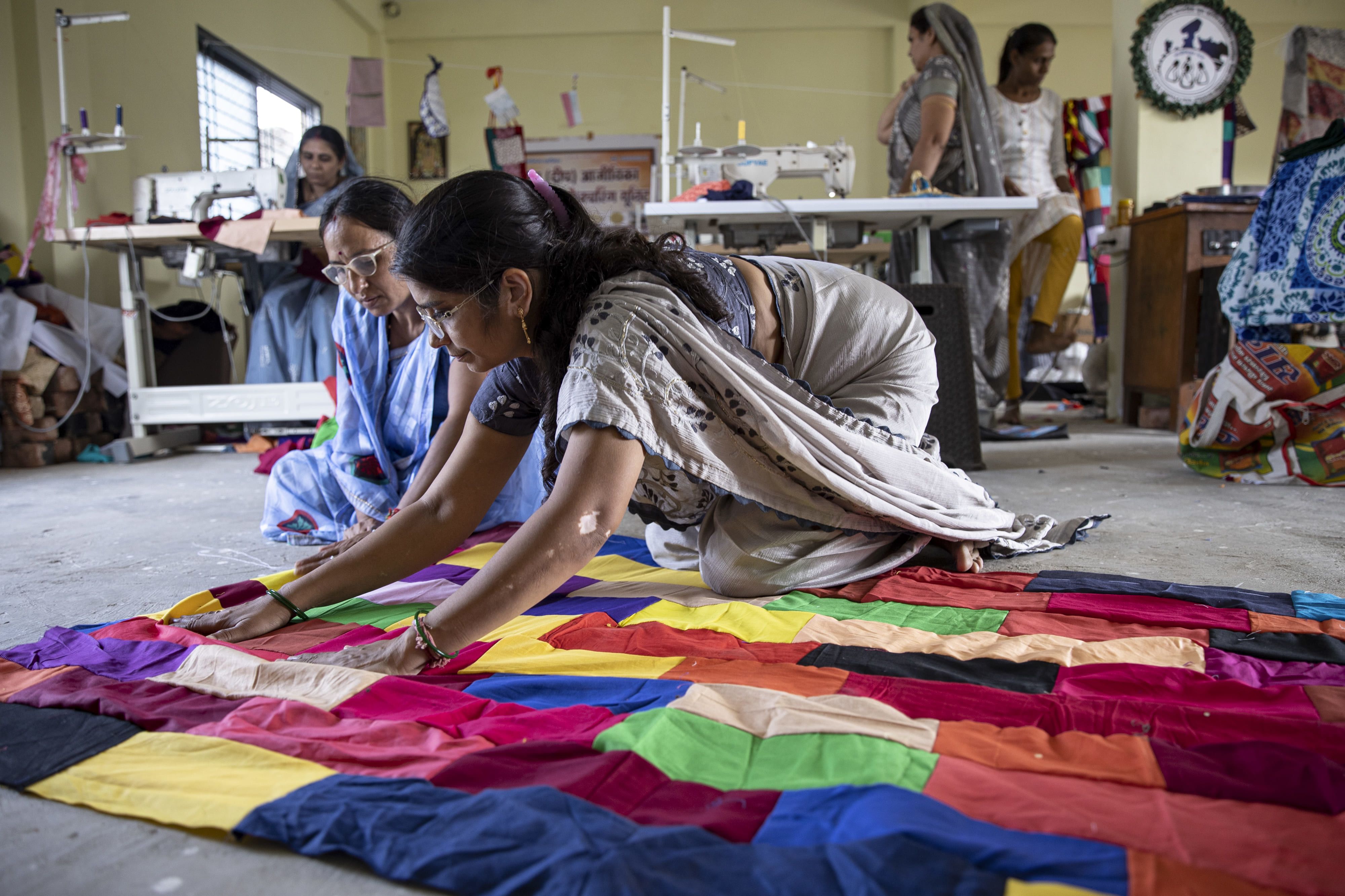
India’s ambition to become a $5 trillion economy and achieve Viksit Bharat 2047 rests heavily on one structural reality: the integration of women into its economic mainstream.
The difference between Indian professional women and their counterparts in developed economies is not rooted in capability. It is rooted in ecosystem maturity — financial infrastructure, cultural expectations, policy enforcement, and institutional support.
This is not a gender debate. It is a macroeconomic discussion.
1️⃣ Workforce Participation: The Foundational Gap
According to World Bank and ILO estimates:
| Indicator | India | OECD Average |
|---|---|---|
| Female Labor Force Participation | ~25–35% | 55–70% |
| Informal Employment Share | High | Low |
| Gender Pay Gap | Significant | Narrower (but present) |
The economic consequence is substantial.
Research from global consulting institutions suggests that closing gender participation gaps could significantly increase national GDP. For India, the economic upside runs into trillions over the next decade.
Dr. Meera Nair, Labor Economist, notes:
“India’s demographic dividend cannot mature without women’s full economic participation. The gender participation gap is one of the largest untapped growth reserves in the country.”
2️⃣ Women in MSMEs: Underutilized Economic Force
India’s MSME sector contributes:
Nearly 30% to GDP
Around 45% to exports
Significant employment generation
Yet women-led MSMEs represent a relatively small proportion of formally registered enterprises.
In developed economies:
Women-owned small businesses receive structured institutional credit.
Gender-lens venture capital funds operate at scale.
Formalization rates are higher.
In India:
Collateral requirements restrict expansion.
Informal operations limit scaling potential.
Financial literacy gaps reduce risk appetite.
SMEStreet’s industry interactions consistently reveal that women entrepreneurs face not a confidence gap, but a capital gap.
3️⃣ Leadership Representation & Governance
Developed countries often mandate:
Pay transparency reporting
Board-level gender diversity norms
Corporate ESG accountability frameworks
In parts of Europe, board representation of women exceeds 30–40%.
India has regulatory requirements for women directors in listed companies, but executive-level representation remains limited in sectors like infrastructure, manufacturing, and heavy industry.
Renowned social worker in the area of women empowerment issues Dr. Sampa Banerjee, Secretary of WASME observes:
“Board-level inclusion is improving in India. However, executive leadership pipelines for women require sustained mentorship and sponsorship ecosystems.”
4️⃣ Cultural Roadblocks: Honest Introspection
Certain traditional norms in India act as friction points:
A. Disproportionate Domestic Labor
Time-use data indicates that Indian women spend significantly more hours on unpaid household work than men.
B. Career Break Penalty
Unlike structured returnship models in developed nations, career breaks in India often result in permanent stagnation.
C. Geographic Mobility Constraints
Safety concerns and social expectations limit relocation for professional advancement.
5️⃣ Traditional Values as Economic Advantages
India’s cultural ecosystem also provides unique strengths:
| Traditional Strength | Economic Advantage |
|---|---|
| Joint-family systems | Lower childcare costs |
| Community networks | SHG-driven entrepreneurship |
| Education-centric culture | High female academic enrollment |
| Resilience mindset | Crisis adaptability |
Sudha Murty’s leadership model blends enterprise and philanthropy — demonstrating how cultural rootedness can coexist with professional excellence.
6️⃣ How Can the Gaps Be Filled?
Policy Interventions
Gender-focused credit scoring
Incentives for return-to-work programs
Export facilitation for women-led enterprises
Corporate Reforms
Transparent pay audits
Mentorship ecosystems
Flexible hybrid work structures
Financial Empowerment
Asset ownership awareness
Pension and retirement literacy
Investment inclusion programs
7️⃣ Major Areas Requiring Immediate Attention
Workforce formalization
Safety & mobility infrastructure
STEM inclusion
Political & policy representation
Financial independence
/smstreet/media/post_attachments/c0392b84-fc3.jpg "publive-image")
Inclusion as Economic Strategy
India does not lack talented women.
It lacks a uniformly enabling ecosystem.
Gender inclusion is not social activism.
It is economic pragmatism.
India’s global competitiveness in the coming decades will depend on how effectively it integrates its women into formal growth engines.